Fleet & technology
The equipment behind every move
Cargo trucks, tractor-heads and flatbed carriers, running out of our Tamale hub today — and a growing network of hubs and vehicles behind it through 2032.
What we run today
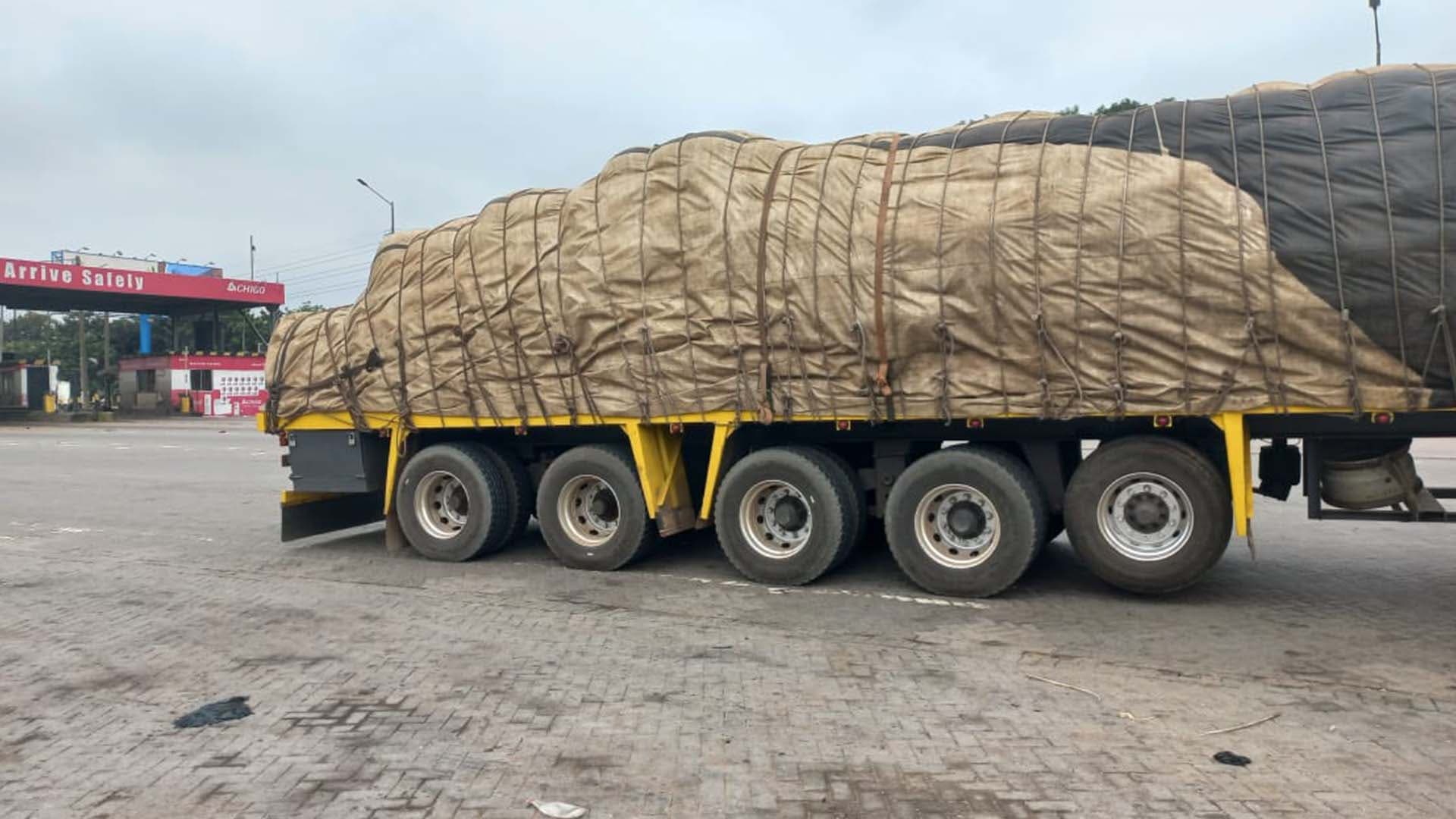
A working fleet of cargo trucks, tractor-heads and flatbed carriers out of our Tamale hub — moving grain, machinery and general freight on the corridor every week.
Fleet manifest
Where the fleet is headed
Growing toward 50 cargo trucks, 20 tractor-heads and 15 flatbed carriers across four regional hubs by 2032 — built out corridor by corridor from where we are today.
50heavy-duty cargo trucks
Bulk grain, fertiliser and general cargo on the trunk corridors between the northern grain belt and the south.
20tractor-head trailers
Articulated units for high-tonnage and containerised movement, including port runs at Tema.
15flatbed equipment carriers
Tractors, harvesters, implements and construction plant — the machinery-haulage side of the business.
4regional logistics hubs
Accra, Tamale, Kumasi and Tema — turning point-to-point trips into a network with transfer points.
The roadmap also includes GPS-enabled fleet management across every vehicle and central maintenance workshops supporting the regional hubs.
How we run it
Three systems the operation runs on today, and keeps building on as the fleet grows.
GPS tracking and journey monitoring
Vehicles fitted with GPS so a consignment's position, route and estimated arrival can be reported to the customer rather than guessed at. Tracking data also underpins the safety and route work below.
Route optimisation
Lane planning that accounts for road condition, seasonal access and return-load opportunities — the single biggest lever on cost per tonne on a long domestic corridor, and the main way we intend to reduce what farmers pay to move a crop.
Preventive maintenance
Scheduled servicing against distance and engine hours rather than breakdown response, supported by central workshop capacity as the fleet grows. A truck stopped on the roadside during a harvest window costs more than the service that would have prevented it.
Commitments, stated as commitments
Road freight is fuel, kilometres and driver hours. Each commitment below is an operating policy we run the fleet on, and keep building on as it grows.
Fuel-efficient fleet management
Vehicle selection, load planning and driving standards aimed at litres per tonne-kilometre, not just litres.
Reduced carbon emissions
Fewer empty return legs is the most direct emissions lever available to a domestic haulier — it is the same work as route optimisation.
Driver safety programmes
Training, hours management and journey monitoring. Safety is one of the company's six core values and the one most visible on the road.
Community engagement
Trucks share rural roads with the communities they serve. Speed and conduct standards through settlements are part of driver training.
Technology-driven route optimisation
The routing work above, measured — so improvement can be shown rather than asserted.

Need capacity for a specific move?
Tell us the lane and the dates, and we'll come back with the equipment and a rate.